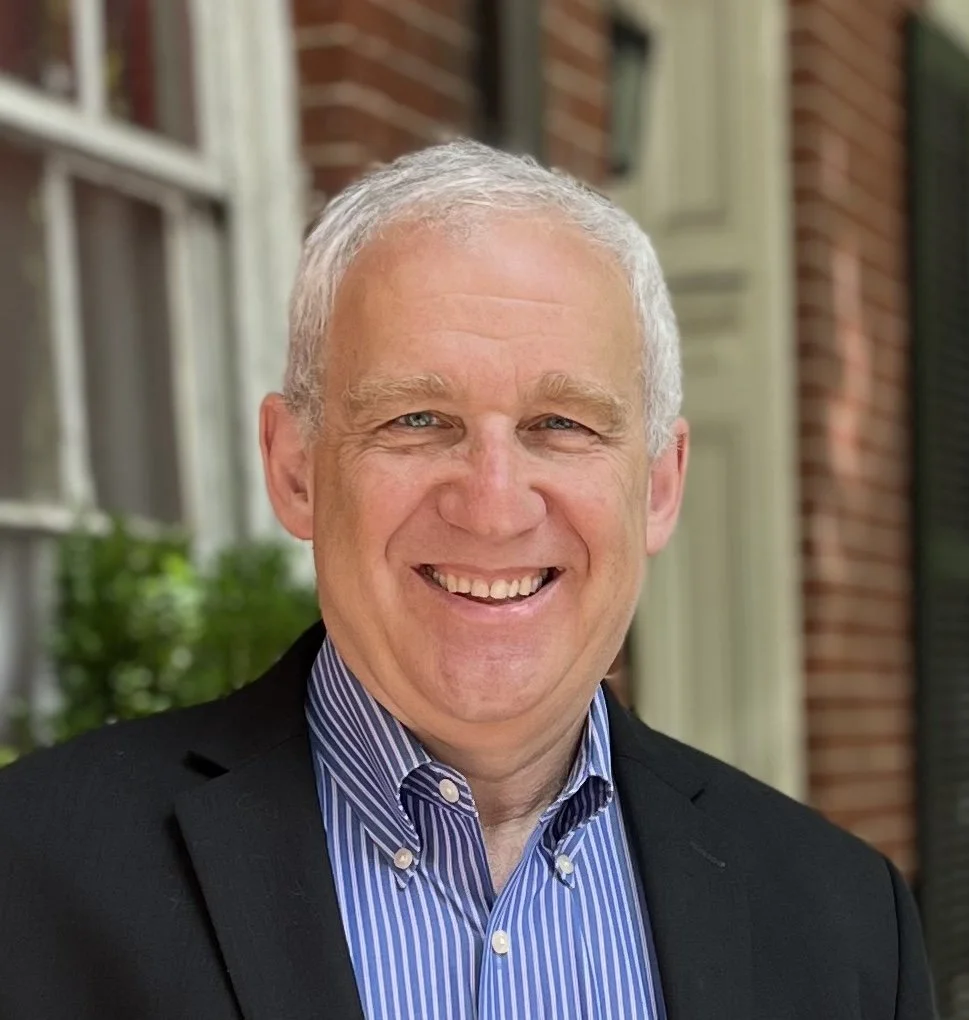
The educator's educator
I've spent my career on every side of education. I earned my Ph.D. in the humanities at Stanford University, along with an M.A. in History and an undergraduate degree in Psychology. I've trained teachers and school administrators at a university school of education. I've mentored new teachers in middle and high schools, worked directly students with a variety of learning differences including autism, and led a nonprofit dedicated to improving education in the Washington, D.C. area.
But for more than twenty five years, the work I've never stopped doing — the work I love most — is sitting one-on-one with a student and figuring out how they learn, and then using that understanding to help them to excel in their classes.
My philosophy
I believe every student has unique strengths, interests, experiences, and learning needs. My job is to understand what makes each student tick and find the way they learn best — not to push them through a one-size-fits-all method.
My goal is to create a safe, supportive, and engaging environment where students are encouraged to ask questions, think critically, solve problems, and build confidence in their own abilities. I believe strong partnerships with families are essential — you'll always know what we're working on and how it's going.
Ultimately, I'm not just helping students master content. I'm working to foster curiosity, resilience, independence, and a lifelong love of learning. When students feel valued, respected, and empowered, they take intellectual risks — and that's when they reach their full potential.
Why the humanities matter
Reading closely, writing clearly, and building an argument from evidence aren't just school skills — they're the foundation of every college major, every profession, and every informed life. In an age when it's easy to outsource writing to a machine, the students who can actually think on paper stand out more than ever.